In San Antonio’s hot and humid climate, the heat impacts your HVAC system significantly. Many houses in San Antonio have ductwork that runs through the attic, which can reach extreme temperatures during summers, straining the AC further. Extreme temperature means your HVAC system has to work harder to keep your place cool. Oftentimes, this leads to increased wear and tear, soaring energy bills, and potential breakdowns. So, is HVAC maintenance in San Antonio every year worth it? Let’s find out.
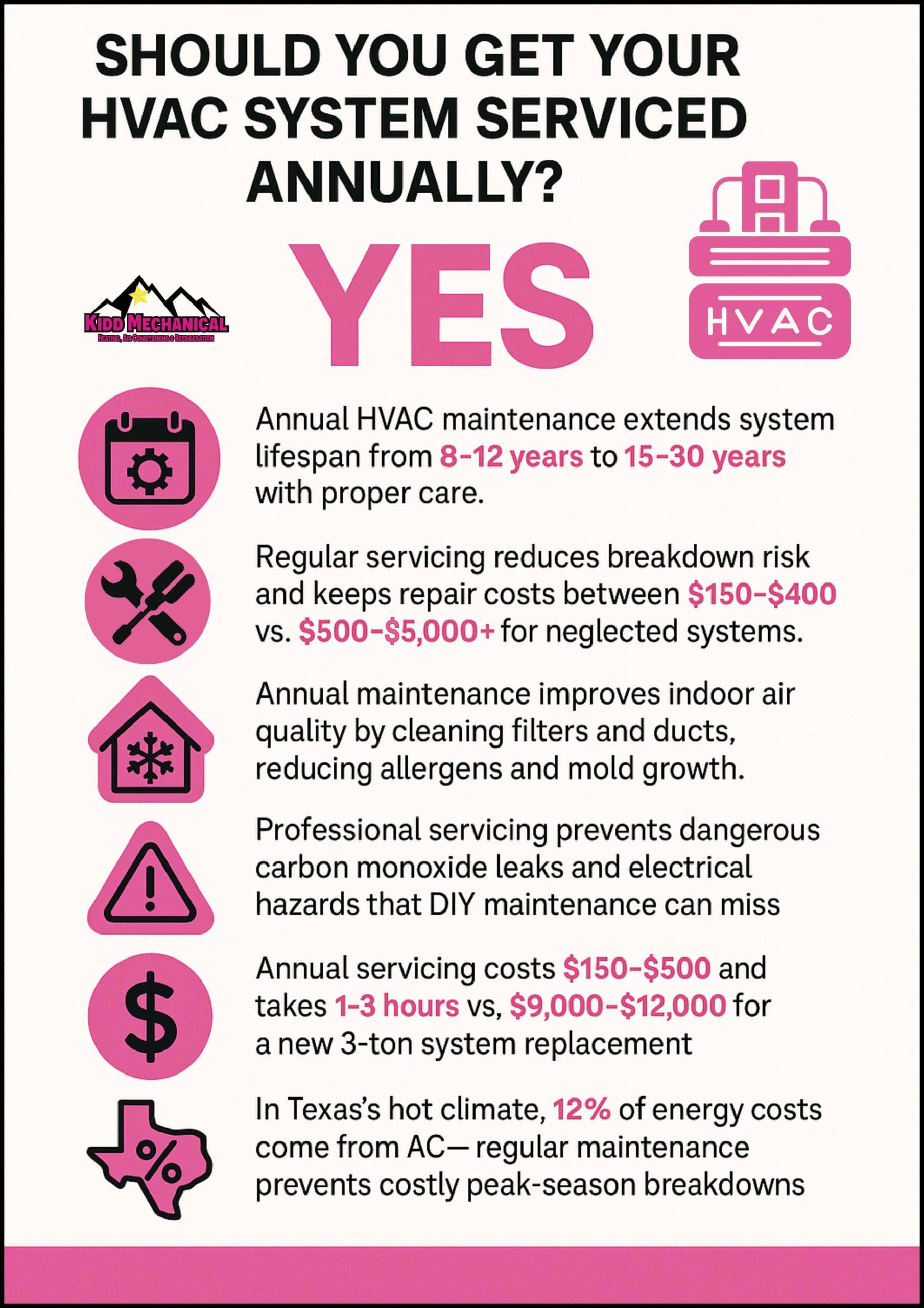
Yes, you should get your HVAC system serviced annually. Sometimes, preventative care is much better than spending thousands of dollars on buying a new HVAC system every 2 years. A HVAC system lasts between 15-30 years with proper maintenance. Most people prefer getting their HVAC system serviced annually to ensure its optimal performance, efficiency, and longevity.
Addressing minor issues before they escalate into something major prevents the total breakdown of the HVAC system. So, getting your HVAC serviced annually is not a bad idea — and here are five factors why it is considered a safer choice.
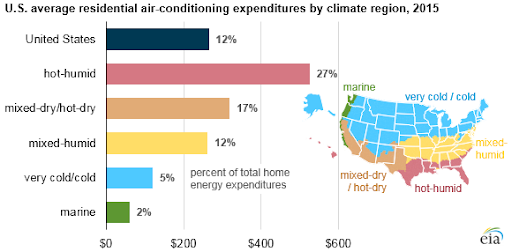
In the US, 12% of energy expenditure is accounted for by air conditioning, which soars to 27% in the hot and humid climate. Imagine your HVAC starts troubling you with issues you have been avoiding resolving during the peak summer season.
With over 16,000 registered HVAC contractors in the state of Texas, the demand for HVAC repairers increases while the supply is low during peak seasons, resulting in costly repairs.
Annual servicing prevents breakdowns by detecting potential issues earlier and addressing wear and tear with the replacement of worn parts. It reduces downtime as well as the risk of sudden failures.
Maintenance Frequency | Risk of Breakdown | Avg. Repair Cost | System Lifespan |
No Regular Maintenance | High | $500-$5,000+ | 8-12 years |
Annual Maintenance | Lower | $150-$400 | 15-30 years |
Annual servicing of your HVAC system prolongs its life by maintaining optimal performance, it also prevents costly breakdowns, increasing energy efficiency. Regularly cleaning the air filters removes the dust, debris, and other contaminants accumulated in your HVAC system over the year. During the annual servicing, experts thoroughly clean the coils, filters, and fans.
Furthermore, regularly calibrating the thermostats and other components ensures your HVAC system regulates the temperature accurately, resulting in minimized energy waste. Duct cleaning also helps maintain a proper airflow and prevents the dust and allergens from circulating within your HVAC system.
San Antonio’s warm and humid climate promotes mold growth, which leads to dangerous allergic reactions and health problems among the residents. Moreover, due to the temperate climate of Texas, many allergens such as dust mites and pet dander are present all the time. Poorly maintained HVAC can lead to poor indoor air quality and promote dust and dirt buildups. These dust particles can trigger allergies and exacerbate the respiratory issues in residents who are already suffering from asthma.
Expert HVAC technicians clean and replace the air filters, clean the ductwork, and ensure your home is properly ventilated. It is necessary to annually maintain your HVAC system to reduce the dust and allergens and to prevent harmful contaminants from building up.
Not only that, regular maintenance allows the HVAC system to control the humidity levels in a better way, reducing the mildew and mold growth. It also reduces the strain on the system and improves HVAC efficiency. Regular maintenance not only enhances the indoor air quality but also prevents allergic reactions to dust and debris and respiratory issues.
The US Department of Labor reports that 38 HVAC technicians lost their lives from 2010 to 2015 due to harmful chemical exposure. The study shows that toxic chemical leaks from the HVAC system can be fatal, although the numbers are low, the risk of fatality is still present.
Maintaining a HVAC system on your own can be tricky as you can miss the carbon monoxide leaks, which can be a safety hazard. Along with that, it is challenging to check electrical components for any potential issues, which may lead to safety problems. Avoiding these issues for a longer time can cause great trouble down the line. Air conditioning companies in San Antonio send expert technicians with proper personal protective equipment (PPE), including:
These safety gears along with proper tools to keep you and your family safe from potentially harmful gas exposure.
A new 3-ton HVAC system costs around $9000 to $12000 in San Antonio, along with the added trouble and cost of finding a local company to assess your current system, evaluate your home, suggest a suitable HVAC system, and then install it in your house. The process of getting a new HVAC system could be time-consuming and frustrating, especially when you have to go through it every 2-3 years.
On the other hand, the annual servicing of your HVAC system costs around $150 to $500, and it takes only 1-3 hours to complete.
The servicing includes:
Compare the price of annual HVAC maintenance in San Antonio with the purchase of a new HVAC system, and you can easily understand the contrast between the two costs. There is a stark difference in the figures one spends if a HVAC system is not well-maintained. Therefore, it shows that you should get annual HVAC servicing to save time and money.
If you don’t service your HVAC system regularly, it can lead to reduced efficiency, higher energy bills, and system breakdowns. Dust, debris, and worn parts accumulate, forcing the unit to work harder, which shortens its lifespan. Neglected systems are also more likely to develop refrigerant leaks, electrical faults, and airflow blockages.
Over time, poor maintenance can compromise indoor air quality and void manufacturer warranties. These issues often result in expensive emergency repairs or full system replacements earlier than expected.
Skipping HVAC maintenance leads to high long-term costs and lower system reliability.
Regular DIY HVAC cleaning is crucial alongside annual maintenance because it prevents dust buildup, improves airflow, and reduces strain on system components. While professional tune-ups catch major issues, routine tasks like cleaning vents, changing filters, and clearing debris around outdoor units maintain system efficiency throughout the year. Neglecting these small but essential steps can lead to poor air circulation, higher energy usage, and premature wear on fans and coils. DIY care supports healthier indoor air and extends the life of your HVAC system.
Task | Recommended Frequency |
Replace air filters | Every 1–3 months (4–12x/year) |
Vacuum and dust air vents and returns | Monthly (12x/year) |
Clear leaves/debris around outdoor unit | Monthly or as needed |
Clean condensate drain line | Every 3–6 months (2–4x/year) |
Check for mold/mildew in drip pan | Every 3 months (4x/year) |
Inspect thermostat battery and settings | Every 6 months (2x/year) |
DIY HVAC upkeep keeps your system efficient and prevents costly issues.
Maintaining your HVAC is crucial if you want to ensure you always have a comfortable space available to rest after a long day at work. It's the unmaintained HVAC systems that frequently break down, and that too at the worst possible times when the temperatures are soaring or freezing, because that’s when they are under more load and succumb to the pressure.
To avoid that and the hefty repairs that follow, always get yearly maintenance of your HVAC unit. Call 210-589-2292 for proactive HVAC maintenance in San Antonio and receive $50 off on your first tune-up as well!
Yes, you should have your HVAC system serviced every year to maintain efficiency, prevent breakdowns, and extend its lifespan. Annual maintenance checks refrigerant levels, electrical components, filters, and airflow. Skipping service increases energy use, risks costly repairs, and may void the system’s warranty.
The cost to get your HVAC serviced typically ranges from $100 to $200 for a standard tune-up. Prices vary based on system type, local labor rates, and whether both heating and cooling components are checked. Additional repairs or refrigerant recharge can increase the total cost.
You can perform basic HVAC maintenance yourself, such as changing filters, clearing debris, and cleaning vents. However, tasks involving refrigerant, electrical components, or system diagnostics require a licensed technician. DIY maintenance helps reduce wear but should not replace professional service.
The best time of year to service your HVAC system is in the spring for cooling units and fall for heating units. Scheduling during these seasons ensures your system is ready for peak summer or winter use and helps avoid emergency repairs during high-demand periods.